
How to Use Truffle Honey at Home 2
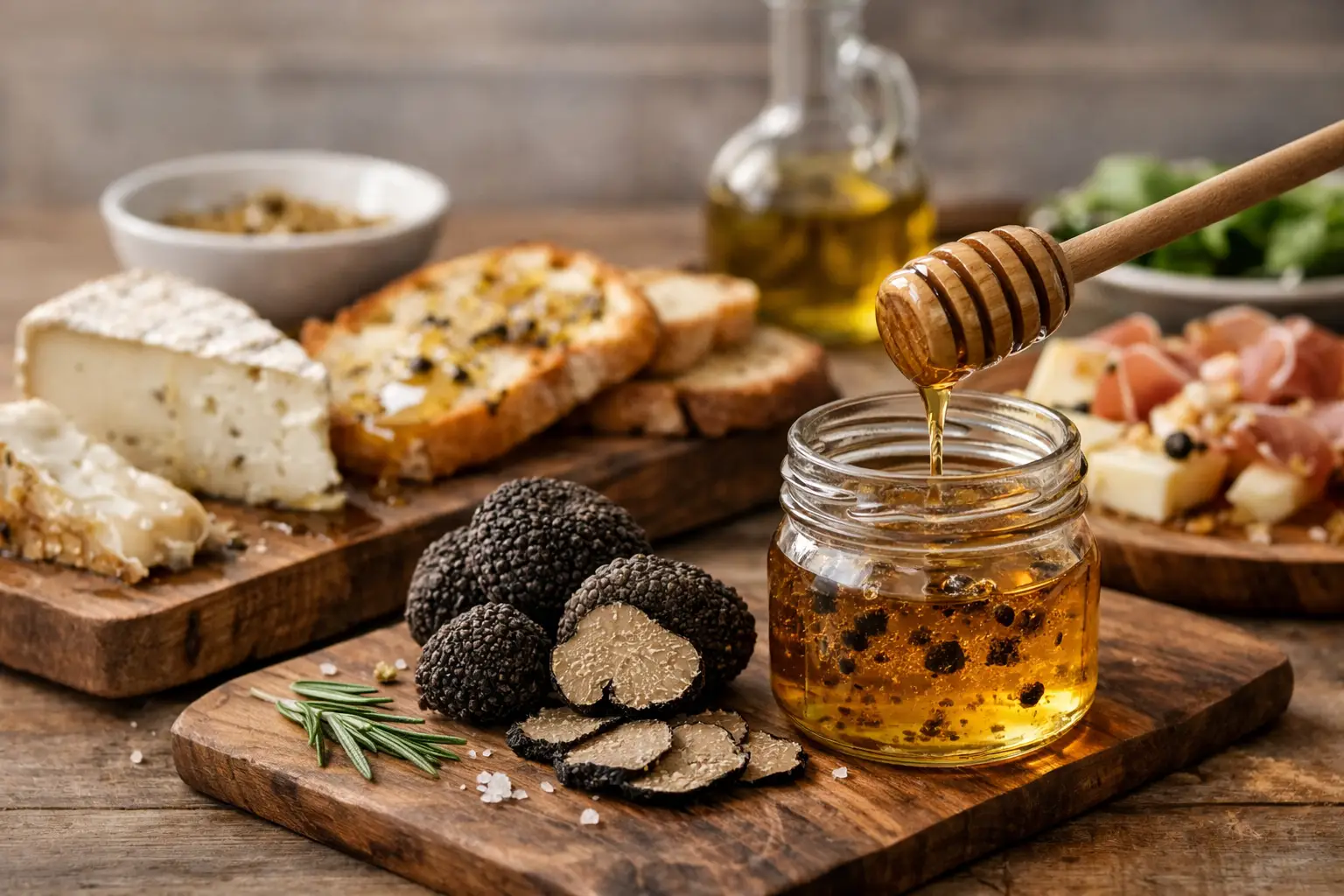
A spoonful of truffle honey can do more for a cheese board, roast vegetable platter, or late-night pizza than a full pantry of sauces. If you have been wondering how to use truffle honey, the answer is simple – treat it as a finishing ingredient that adds floral sweetness, earthy depth, and just enough luxury to make familiar food feel restaurant-worthy.
Truffle honey sits in a very specific lane. It is not meant to drown a dish or replace every sweet element in your kitchen. The best results come when you use it with restraint, pairing it with foods that welcome contrast – salty cheeses, crisp fried edges, rich meats, and gently bitter vegetables. A little goes a long way, and that is exactly what makes it so effective.
How to use truffle honey without overpowering a dish
The easiest mistake with truffle honey is using too much. Truffle has aroma, honey has body and sweetness, and together they create a flavor that is layered but concentrated. Start with a light drizzle, taste, and add more only if the dish still has room for it.
Temperature matters too. Truffle honey shows best as a finishing touch rather than an ingredient cooked aggressively over high heat. Long exposure to heat can flatten some of the more delicate aromatic notes. Warm food is ideal because it helps the honey loosen and spread while keeping the truffle character intact.
Texture is part of the appeal. Truffle honey works beautifully where you want a glossy finish or a soft, luxurious contrast against something crisp, creamy, or salty. Think of it as the final brushstroke rather than the base of the painting.
The best foods to pair with truffle honey
Cheese is where many people fall in love with truffle honey. Soft-ripened cheeses such as Brie or Camembert become especially luscious with a light drizzle, while aged cheeses like Pecorino or Parmigiano Reggiano benefit from the sweet-earthy contrast. Blue cheese is another strong match if you enjoy bolder flavors. The honey rounds out the sharpness and creates that sweet-salty tension that makes one bite turn into five.
Cured meats also respond well. A thin ribbon over prosciutto, speck, or a slice of salami adds dimension without much effort. If you are building a board for guests, truffle honey instantly makes it feel more composed and intentional.
Pizza is another natural home for it, especially white pies, mushroom pizzas, or anything with salty cheese and charred crust. A modest drizzle after baking adds sheen and aroma in a way that feels indulgent but still balanced. It is equally good on flatbreads with ricotta, taleggio, or caramelized onion.
Roasted vegetables may be the most underrated use. Truffle honey brings out the natural sweetness of carrots, delicata squash, Brussels sprouts, and cauliflower while adding a savory finish that plain honey cannot. The trick is to drizzle it after roasting, not before, so the vegetables keep their caramelized edges and the truffle remains vivid.
Fried foods love it too. A touch over crispy chicken, fried zucchini blossoms, or even well-seasoned fries creates that upscale sweet-savory contrast chefs use to make simple dishes memorable.
How to use truffle honey on cheese boards and appetizers
If you entertain often, truffle honey earns its place very quickly. It gives a cheese board a clear focal point and makes even a small spread feel elevated. Serve it in a small bowl or drizzled directly over one featured cheese rather than pouring it over everything.
For a composed appetizer, spoon a little over whipped ricotta crostini and finish with flaky salt. It is excellent with baked Brie, especially when wrapped in pastry or served warm with toasted bread. You can also pair it with goat cheese on crostini, where the tang and creaminess keep the honey from reading too sweet.
Another strong application is with nuts and fruit. Fresh figs, pears, apples, and toasted walnuts all work well because they support the honey rather than competing with it. If the board already has jam, choose either the jam or the truffle honey as the main sweet element. Too many sweet condiments can muddy the effect.
Using truffle honey with dinner
One of the best answers to how to use truffle honey is to think in finishing layers. Rich entrees and savory sides often need just one accent to feel complete, and truffle honey can provide it.
With roasted chicken or pork, a small drizzle right before serving adds gloss and complexity. It works particularly well when the dish includes herbs, pan juices, or crispy skin. On steak, it is more selective. It tends to shine with leaner cuts, charred edges, or a blue cheese component rather than with heavily sauced preparations.
For pasta, use caution. Truffle honey is not for every bowl. It works best in small amounts with creamy cheeses, browned butter, black pepper, or roasted mushrooms. A delicate drizzle over a ricotta ravioli or a mushroom tart is usually more successful than stirring it into a tomato sauce.
With grain bowls and savory brunch dishes, it can be unexpectedly polished. Try it over a bowl with farro, roasted squash, bitter greens, and shaved cheese, or over eggs with crispy potatoes and a touch of truffle salt. Sweetness, richness, and earthiness can be a beautiful combination when the proportions stay tight.
Can you use truffle honey in desserts?
Yes, but this is where restraint matters most. Truffle honey is not a general baking honey. Its flavor is too distinctive to disappear into cakes, cookies, or heavily spiced desserts. Instead, use it where it can remain visible and intentional.
Vanilla gelato, mascarpone, panna cotta, and cheesecake all pair well with a tiny drizzle because they offer a clean, creamy backdrop. Poached pears are another elegant option. The fruit has enough subtlety to let the truffle come through.
Dark chocolate can work, though it depends on intensity. A very bitter chocolate dessert may overpower the honey, while milk chocolate can make the pairing feel too sweet. If you want a safer route, serve truffle honey with fresh fruit and soft cheese as a dessert course. It feels sophisticated and never heavy.
How to warm, serve, and store it
Truffle honey can thicken over time, especially in a cool pantry. If it feels too dense to drizzle, warm the jar gently in lukewarm water for a few minutes. Avoid microwaving it aggressively, which can damage aroma and alter texture.
Serve it at room temperature or slightly warmed. Cold truffle honey can feel tight and less expressive, while gently warmed honey becomes more fluid and aromatic.
Store it in a cool, dry place with the lid sealed well. Refrigeration is usually unnecessary and can make the texture harder to work with. As with most premium pantry items, freshness matters. Once opened, use it regularly enough to enjoy its full aromatic character.
Common mistakes when learning how to use truffle honey
The first is pairing it with too many competing truffle products at once. Truffle honey alongside truffle oil, truffle salt, and fresh truffle in the same dish can feel crowded. Let it be the star or one accent among quieter ingredients.
The second is using it on dishes that are already very sweet. Maple-glazed vegetables, sugary desserts, or fruit-heavy breakfast dishes can make the flavor feel unfocused. Truffle honey performs best where sweetness is there to contrast, not dominate.
The third is forgetting acidity and salt. A pinch of flaky salt, a sharp cheese, a few peppery greens, or a touch of vinegar can sharpen the whole experience and keep the honey from feeling heavy.
A final note on quality: with an ingredient this simple, the details matter. Better truffle honey tastes clearer, more balanced, and more culinary than novelty-driven. That is why specialty selections from focused truffle purveyors such as Truffle Guys tend to perform so well in real cooking – they are designed to taste luxurious but remain usable.
The best way to start is not with a complicated recipe but with one confident pairing: warm Brie, a slice of prosciutto, or a hot mushroom pizza fresh from the oven. Once you taste what a light drizzle can do, the rest comes naturally.

2 Comments
Trackbacks and Pingbacks
[…] flavor, which makes it an excellent gift for someone who already has a well-stocked pantry. Its sweetness and earthy depth belong naturally with creamy cheeses, especially Brie, Camembert, ricotta, and blue cheese. It also […]
[…] is most effective as a finishing ingredient. High heat can mute its finer notes, so it is best drizzled over food just before serving. A little goes a long way. One measured ribbon across warm brie or a few drops […]