
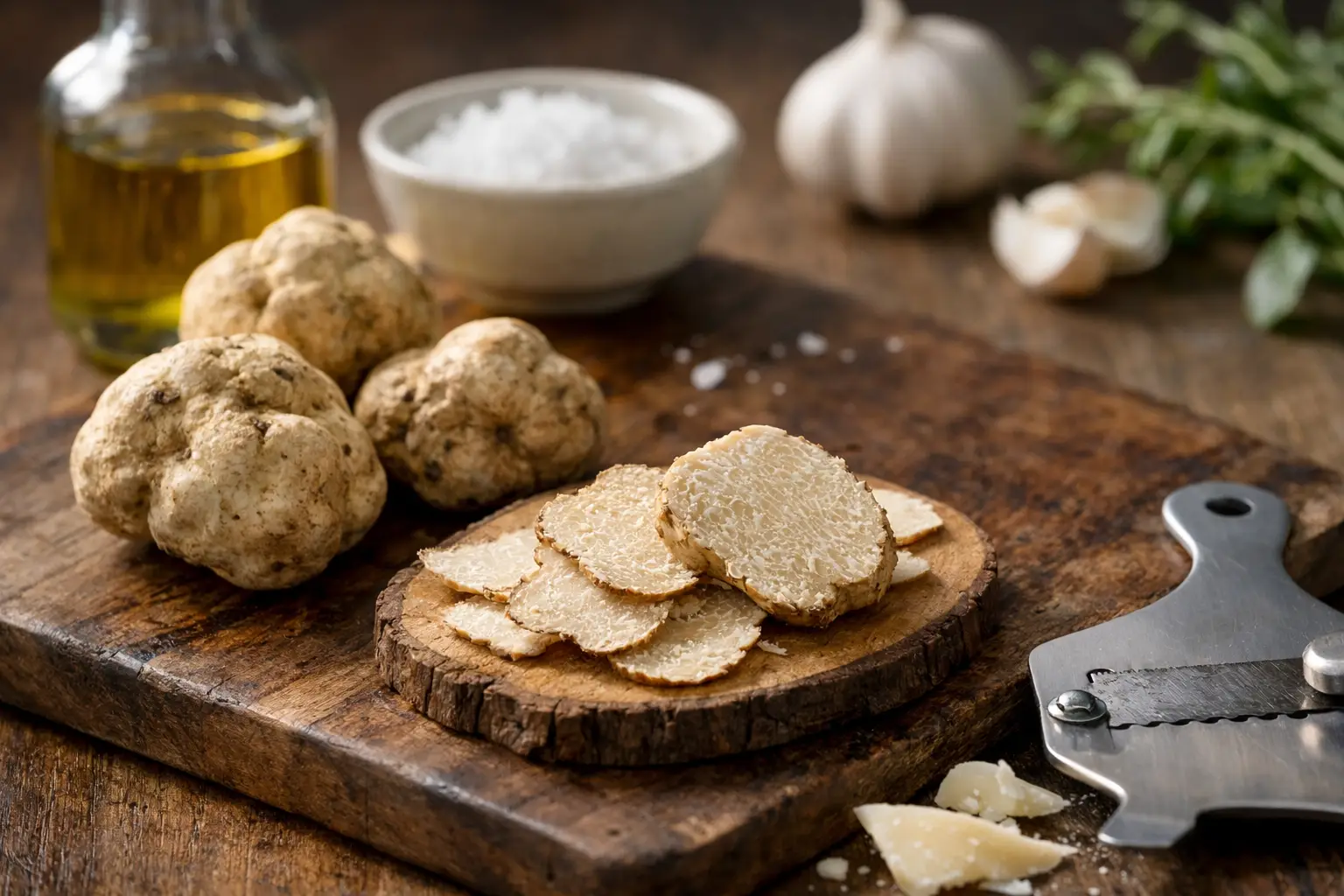
White Truffle Flavor Profile Explained 1
The first time white truffle hits a warm plate of buttered pasta, it does not behave like a background ingredient. It rises fast, fills the air, and changes the entire dish before you even take a bite. That is the essence of the white truffle flavor profile – intensely aromatic, unmistakably savory, and far more about perfume and finish than brute richness.
For anyone who loves luxurious ingredients, white truffle can be surprisingly hard to describe with ordinary flavor language. It is not simply earthy, and it is not just garlicky. It carries an intoxicating mix of musk, shallot, aged cheese, damp forest floor, and a faint peppery sharpness that feels alive on the nose. That complexity is exactly why it transforms simple food so beautifully.
What defines the white truffle flavor profile
White truffle is prized less for heavy taste on the palate and more for the aroma that blooms from it. In practice, that means your experience starts before the first bite. As soon as shaved white truffle meets heat from eggs, risotto, mashed potatoes, or pasta, volatile aromatic compounds are released. The result is deep, savory fragrance with a sensual edge.
Its flavor is often described as garlicky, but that comparison only goes so far. White truffle does not taste like fresh garlic cloves or roasted garlic sweetness. Instead, it has an elegant allium character closer to shallot or garlic skin, layered with musky earthiness and a subtle fermented note that can remind some diners of Parmesan rind or cured cheese.
There is also a fleeting wildness to it. That is part of the appeal. White truffle is not polished in the way vanilla or chocolate is polished. It is more provocative – lush, funky, and luxurious at once. For seasoned truffle lovers, that tension is what makes it unforgettable. For first-time buyers, it is often the reason a small amount goes a very long way.
Aroma vs taste: why white truffle feels so powerful
When people ask about white truffle flavor, they are usually reacting to aroma. This matters because white truffle is not meant to be cooked aggressively into a dish the way you would build flavor with mushrooms, onions, or stock. High heat can flatten the most delicate notes. White truffle performs best as a finishing ingredient, added at the end so its fragrance stays vivid and expressive.
That is why the simplest dishes often show it best. A warm bowl of tagliolini with butter, a soft scrambled egg, or a creamy risotto gives white truffle a clean canvas. Fat helps carry the aroma, and gentle heat opens it up without muting it. Strong acids, heavy chilies, or too many competing herbs can crowd the truffle and make the dish feel confused.
This is also where expectations matter. If someone expects a loud, salty, umami punch like truffle-flavored chips or intensely seasoned truffle condiments, fresh white truffle can feel more nuanced than expected. It is luxurious because it is haunting, not because it is blunt.
Common tasting notes in white truffle
A useful way to understand the white truffle flavor profile is to think in layers rather than one single taste. Most tasters notice an immediate savory perfume, followed by earthy depth and then a lingering allium-cheese character.
The most common notes include garlic, shallot, musk, wet earth, hazelnut skin, aged cheese, and sometimes a whisper of honeyed sweetness. Some white truffles lean more elegant and delicate, while others are more pungent and almost animalic. That variation is natural. Like wine, butter, or olive oil, truffles reflect origin, season, and handling.
Texture also affects flavor perception. Fresh white truffle is shaved paper-thin, so you are not chewing through a dense mushroom bite. Instead, the slices soften over warm food and release aroma in waves. That means the eating experience is as much about fragrance rising from the plate as it is about taste on the tongue.
Why white truffle tastes different from black truffle
White and black truffles live in the same luxury category, but their personalities are distinct. White truffle is sharper, more aromatic, and more volatile. Black truffle tends to be deeper, woodier, and more cocoa-like, with a rounder earthiness that handles warming and incorporation into sauces more easily.
If black truffle feels steady and savory, white truffle feels electric. It announces itself quickly and demands restraint around it. That difference is useful in the kitchen. Black truffle can support richer builds with cream, meat, and longer cooking. White truffle usually shines brightest when everything else on the plate steps back.
For buyers choosing between the two, this is less about which is better and more about the effect you want. White truffle is ideal when the goal is aromatic drama and a special occasion finish. Black truffle is often the better choice when you want earthy depth woven through a dish.
The best foods for showcasing white truffle flavor
White truffle rewards simplicity. Foods with mild flavor and creamy texture tend to be the best match because they amplify aroma without masking it. Eggs are a classic for good reason. Their custardy richness gives white truffle a soft, warm stage. Pasta with butter and Parmigiano-Reggiano does the same, especially when served immediately.
Risotto, potato puree, polenta, and fresh cheese also work beautifully. These foods hold warmth, offer gentle richness, and let the truffle remain the focal point. Even a crisp piece of toasted bread with cultured butter can be enough.
This is where pantry formats become especially practical for home cooks. A quality white truffle oil, white truffle salt, or white truffle powder can echo key elements of the flavor profile in ways that fit weeknight cooking. They are not identical to fresh white truffle, but they offer a refined shortcut for finishing fries, popcorn, creamy pasta, pizza, or roasted vegetables with a luxurious aromatic lift.
What can overwhelm white truffle
Because white truffle is so aromatic, it is easy to assume it can stand up to anything. In reality, its most beautiful notes are fragile. Excess garlic, smoked ingredients, aggressive vinegars, and fiery heat can bury the nuance. Sweet sauces tend to clash unless used with a very light hand.
Protein choice matters too. Delicate meats and mild dairy usually support white truffle better than heavily charred barbecue flavors or sticky glazes. Beef carpaccio can be exquisite with white truffle. A heavily spiced steak rub is another story.
Portioning matters just as much. Too little can feel disappointing, but too much can tip into overpowering. The ideal amount depends on the dish, the form of truffle, and the diner’s tolerance for intensity. A restrained hand usually feels more expensive than excess.
How to describe white truffle to guests or customers
If you are serving white truffle at home or presenting it professionally, the clearest description is this: white truffle is intensely aromatic, savory, and musky, with notes of garlic, shallot, earth, and aged cheese. That language sets expectations better than simply calling it earthy.
It also helps to explain that white truffle is a finishing ingredient. Guests understand it more quickly when they know they should notice the fragrance first. In entertaining, that moment of aroma rising from the plate is part of the luxury. It creates anticipation before the first forkful.
For retailers, chefs, and gift buyers, that aromatic identity is also why white truffle products remain so compelling. They offer a memorable sensory cue that feels celebratory with very little effort. A few drops, a pinch, or a thin shaving can make a familiar dish feel instantly more polished.
How to get the most from the white truffle flavor profile
To preserve what makes white truffle special, pair it with warmth rather than prolonged cooking, fat rather than acid, and simple foundations rather than crowded flavors. Serve it immediately. Let the aroma speak first. Think buttered pasta, scrambled eggs, risotto, mashed potatoes, and understated cheese dishes rather than anything overloaded with spice or sauce.
Quality matters here. Better truffle products tend to taste cleaner, more balanced, and more convincing, without the harsh synthetic edge that gives some truffle skeptics pause. That is especially important if you are introducing white truffle flavor to someone for the first time.
The beauty of white truffle is that it turns restraint into indulgence. It does not need a complicated recipe or a crowded plate. Give it warmth, richness, and room to breathe, and it will do what the finest ingredients always do – make a simple dish feel unforgettable.

One Comment
Trackbacks and Pingbacks
[…] truffles occupy their own category. The revered Italian white truffle, Tuber magnatum, is usually harvested from fall into early winter and has a famously pungent […]